Letters & early reading
Letter recognition games
Small matching games for noticing letters, with easy starting points and ideas to make a familiar game harder.
3–4 · 4–5 years · FreeExplore activity

Read the five short sentences with a grown-up. This story is intended for a child who already knows the listed letter–sound correspondences and can blend them in these words. It is a practice text selected by skill, not a text every child of a certain age should be able to read.
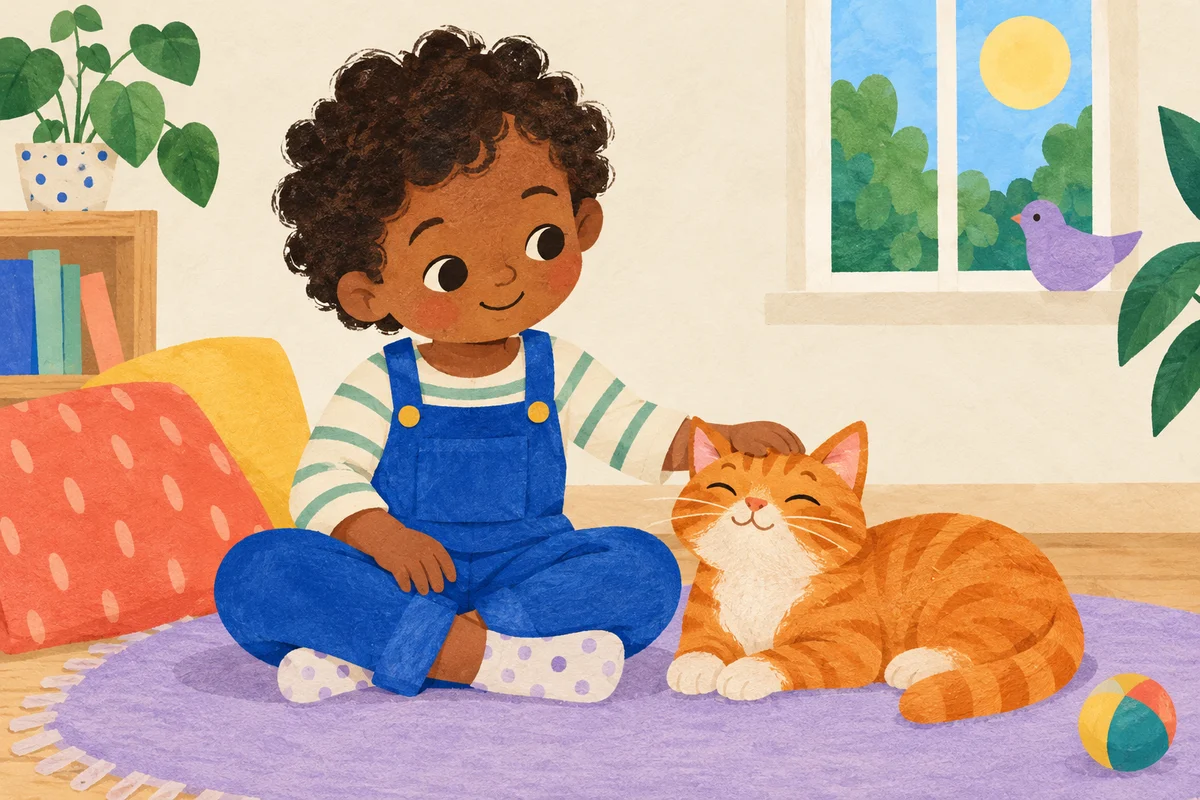
Sam sat.
A cat sat.
Sam pats a cat.
A cat naps.
Sam naps.

First page shown. The download includes the complete activity and grown-up guidance.
Sounds and spellings: s · a · m · t · c · p · n
Words to check or supply: a
Single-letter short-vowel words; final adjacent consonants in pats and naps.
A grown-up reads the title and instructions. Read the story words first; use the picture afterwards to talk about meaning. Follow your school’s teaching order.
Apply familiar letter–sound knowledge in a short connected text and discuss what happened.
An adult reads the story aloud. The child can join in with one known word or sentence and still enjoy discussing the illustration.
Try a little moreReread a familiar sentence smoothly, explain an answer using the text, or retell the events without adding a new reading level.
These original stories are independent of commercial phonics schemes. The prerequisite list is a selection aid, not a claim of curriculum alignment. Pronunciation and what has been taught vary. The illustration supports enjoyment and conversation; it should not be used to guess an unknown written word.
Who pats a cat? Sam. What do Sam and a cat do at the end? They nap.
cat
Choose your vocabulary and paper size, then download the PDF. Print at actual size or 100%. Use the low-ink option for outline activities; colour-name cards still need their colour to teach the word. Cut-and-stack mini-books are available in the flashcard maker.
Small matching games for noticing letters, with easy starting points and ideas to make a familiar game harder.
A clear A–Z chart with matching capital and lowercase letters for pointing, comparing and finding familiar names.
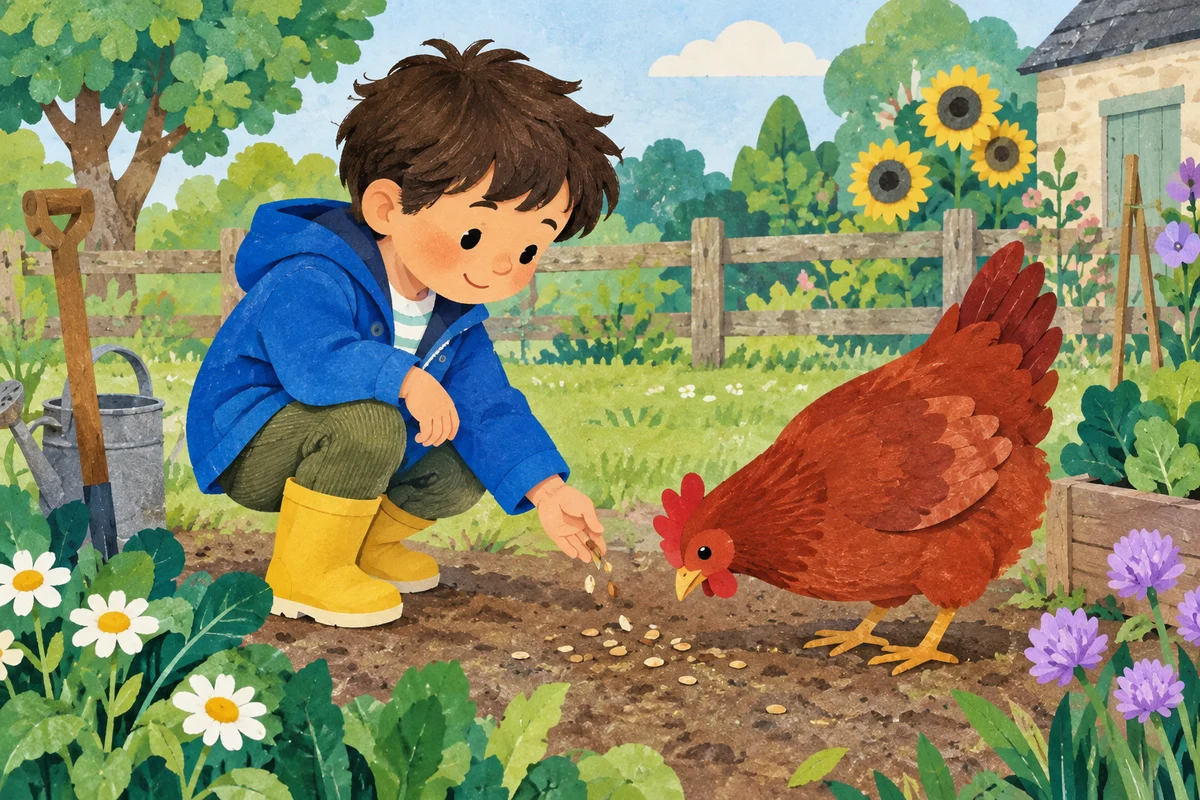
Read ben and a red hen in five short sentences. Practise familiar short-vowel words with an original illustration, sound prerequisites and two discussion questions.